A second-hand Christmas present no longer needs an apology. A good wool jumper, a vintage scarf or a well-made winter coat can be a better gift than anything new at the same price, as long as you choose it carefully and hand it over in good condition. This guide covers what to buy pre-loved, what to check before you pay, and how to make a charity shop find feel like a proper present.
Why pre-loved gifts make sense this Christmas
Irish shoppers are already more relaxed about second-hand presents than many people assume. In an eBay survey of 520 Irish adults carried out in October 2025, 52% admitted to regifting, the highest share of the countries compared, and 49% said they receive at least one unwanted gift every Christmas. More than a quarter now sell unwanted presents online.
The waste side matters too. According to the national MyWaste service, Ireland discards about 110,000 tonnes of textiles a year, and around 42,000 tonnes of clothing end up in household bins. Every jumper or coat that gets a second owner over Christmas is one less garment heading that way, and one less new item that had to be made.
What makes a good second-hand clothing gift
Some pieces age well and look generous when they are pre-loved. Others are harder to get right. These categories tend to work best:
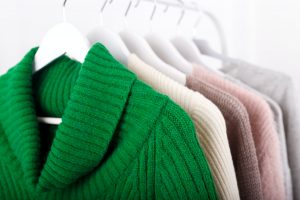
- Wool and cashmere knitwear. Natural fibres last for years when cared for, and charity shops often price them far below what they cost new. Plain colours and classic shapes are the safest choice.
- Scarves, hats and gloves. Sizing is barely an issue, which removes the biggest risk of buying clothes for someone else.
- Leather and wool accessories. Belts, bags and wallets in real leather often show quality more clearly second-hand than new, because you can see how they have worn.
- Winter coats. A wool coat is one of the most expensive things to buy new, so it is also where second-hand saves the most. Only choose one if you know the person's size well.
- Party wear. Sequins, velvet and tailored jackets come out once or twice a year, so many are donated with very little wear. They suit friends who enjoy dressing up for December.
Fitted items such as jeans, shoes and formal trousers are the riskiest. Unless you are buying for someone in your own household, keep those for vouchers or a shopping trip together.
A quick checklist before you buy
Five minutes of checking in the shop saves disappointment on Christmas morning. Go through each point in good light, ideally near a window rather than under the changing room bulb.
- Read the label. Look for the fibre content and the care instructions. A jumper that is mostly acrylic will pill faster than wool, and dry clean only coats add a cost you should know about.
- Look for holes. Hold knitwear up to the light. Small holes along seams or on the front can mean moth damage, and moths can spread to other clothes at home.
- Check the stress points. Underarms, cuffs, collars and the area around pockets show wear first. Thin or shiny patches will not improve.
- Test zips, buttons and linings. A missing button is an easy fix. A broken zip in a coat usually means a trip to a tailor.
- Smell it. Mustiness can often be aired out, but smoke and damp sometimes stay in heavy fabrics even after washing.
- Ask about returns. Policies differ from shop to shop, and some charity shops offer exchanges or credit notes. Ask at the till before you pay.
Where to find pre-loved gifts in Ireland
Charity shops are the obvious starting point, and shopping early pays off, because good knitwear and coats can sell quickly once Christmas shopping gets going. It helps to visit more than one shop and to try branches in different areas, because stock reflects what local people donate. Our guide to buying charity shop clothes has more tips on finding quality pieces among the rails.
Vintage shops cost more, but the selection has already been edited and items are usually cleaned and checked. That makes them a good option when you are short on time or looking for something specific, such as a tweed jacket or a particular decade.
Online resale apps and marketplaces widen the choice, especially for branded knitwear. Ask the seller for close-up photos of the label and any wear, check the measurements against a garment you know fits, and allow plenty of time for postage in December. Auctions can turn up real bargains as well, and we have covered some lesser-known clothes auction sites in an earlier post.
How to make it feel like a gift
Presentation is what turns a charity shop find into a present. A little preparation at home goes a long way:
- Clean it properly. Follow the care label. Wash knitwear on a wool or hand wash cycle at a low temperature and dry it flat, away from the radiator. For coats that cannot be washed, air them outside on a dry day and brush them down.
- Remove pilling. A fabric shaver or a knitwear comb makes an older jumper look much fresher in a few minutes.
- Fix the small things. Sew on a missing button, tighten loose ones and trim stray threads. Replacing plain buttons with nicer ones is a simple way to personalise a cardigan or coat.
- Take off price stickers. Shop tags and stickers can leave residue, so peel them off gently and clean any sticky marks.
- Wrap it with care. Fold the garment neatly in tissue paper, or wrap it in a scarf or tea towel that becomes part of the gift.
If you want to pass on some care advice with the present, our practical guide on how to make your clothes last longer covers washing, storage and simple repairs.
The Christmas jumper question
Novelty Christmas jumpers are one of the clearest examples of buying something new for a single outing. When the UK environmental charity Hubbub tested 108 Christmas jumpers from 11 high street and online retailers in 2019, 95% were made wholly or partly of plastic fibres, and 44% were entirely acrylic. Its survey also found that two in five are worn only once over the festive season.
Christmas Jumper Day is still a good cause in Ireland. The Children's Health Foundation runs its 2026 campaign from 7 to 11 December in support of the Children's Health Ireland hospitals, including Crumlin and Temple Street, and the Society of St Vincent de Paul lets you host your own day on a date that suits you. You can take part without buying new: rewear last year's jumper, borrow one, swap with colleagues, or look in a charity shop where festive knits appear every winter. Adding a few decorations to a plain jumper you already own works just as well.
Common questions about second-hand gifts
Should I tell the person it is second-hand?
There is no rule, but being open usually works better than hoping nobody notices. Many people like hearing where a vintage piece came from, and it lets them know why there is no gift receipt.
Who is a good fit for a pre-loved present?
Anyone who already shops second-hand, cares about sustainability or likes vintage style will probably be delighted. For someone who has never mentioned it, an accessory such as a scarf or leather gloves is a low-risk way to start.
What if it does not fit?
Keep the receipt if the shop gave you one, and check its exchange policy before you wrap the gift. If an exchange is not possible, the person can pass it on through a clothes swap or donate it back, so it stays in use.
If you would like to try it this year, start small: pick one person on your list, write down their size and favourite colours, and give yourself a free afternoon in late November to visit two or three charity shops with the checklist above.